
Organic Waste Collection & Commercial Compost Routing
Hygienic, gasket-sealed food waste totes and green-waste containers that divert biodegradable trimmings away from landfills and into nutrient-rich compost production.
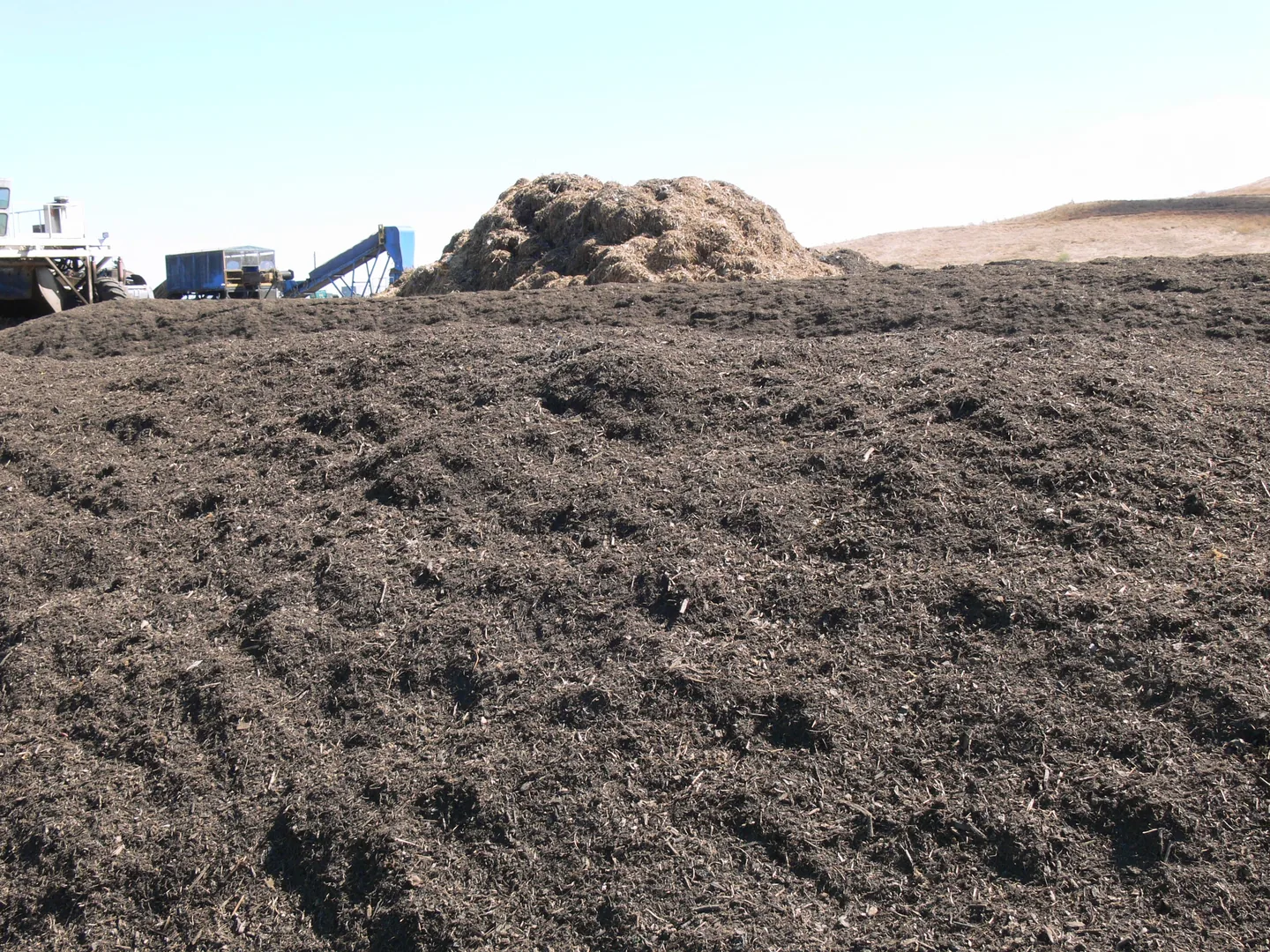
Separating Wet Organics for Cleaner Docks and Lower Landfill Impact
Food scraps, coffee grounds, spoiled produce, and yard trimmings make up the heaviest, wettest fraction of commercial trash. When mixed with dry rubbish, wet organics create foul compactor leachate, attract insects, and soak clean cardboard before it can be recycled.
Timberline Waste Services provides dedicated organic waste collection using easy-to-roll sealed totes and yard-waste bays. By isolating wet organics at kitchen prep stations and landscape staging areas, your general refuse bins stay cleaner, lighter, and easier to manage.
How Organic Waste Service Works
- Prep-Station Mapping: We review kitchen prep lines, dishwashing stations, or groundskeeping depots to place compact 32- or 64-gallon organics carts exactly where trimmings occur.
- Contamination-Free Lining: Approved compostable liners or cart-swap washing protocols keep containers sanitary without introducing non-degradable plastic film into compost piles.
- Frequent Scheduled Hauls: Organics routes run 1 to 3+ times weekly (adjusted for climate and volume) to control odors and bin weight.
- Permitted Aerobic Composting: Collected food and green waste is delivered directly to permitted composting or anaerobic digestion facilities, returning nutrients to agricultural and landscaping soils.
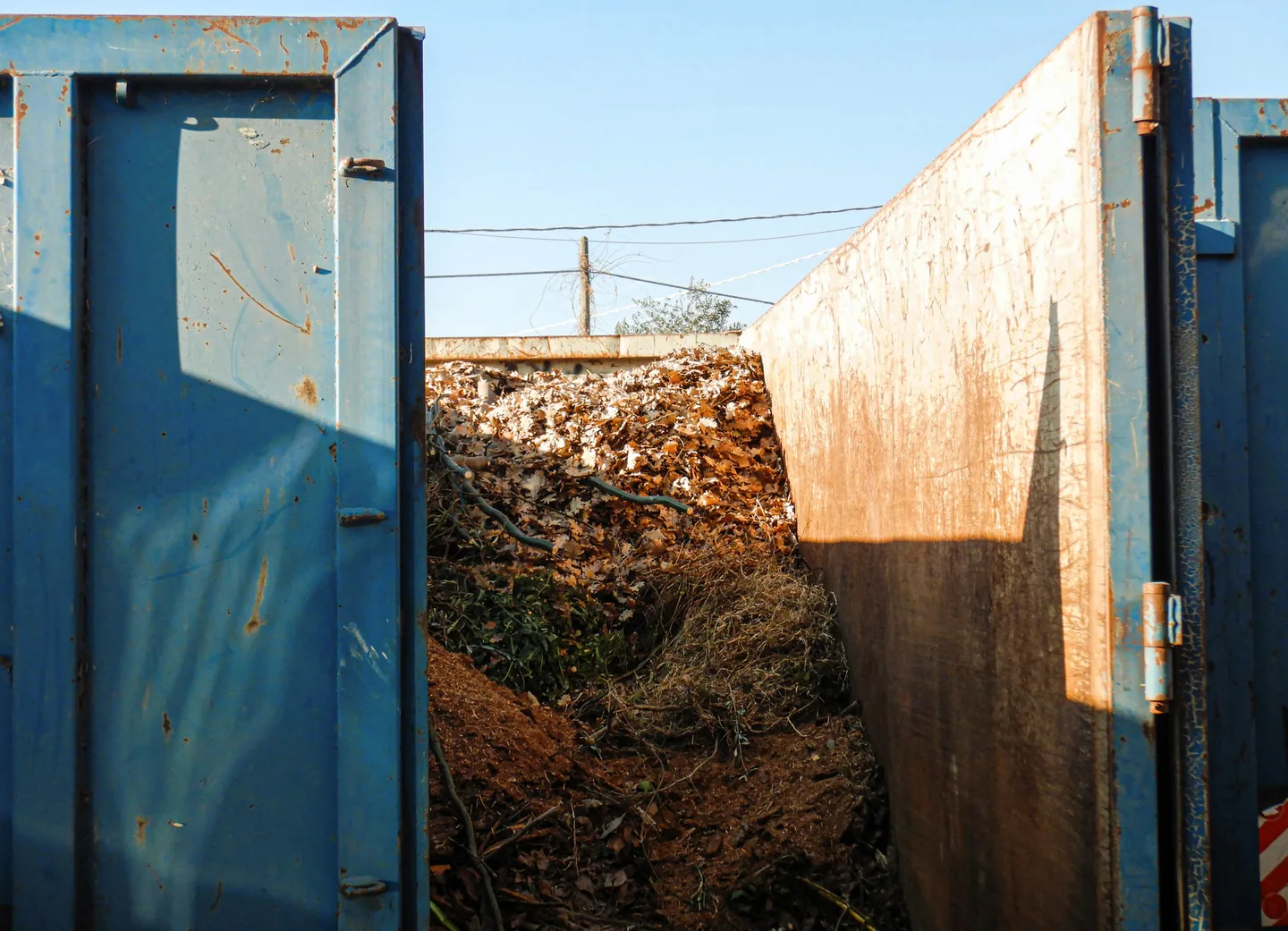
Designed For
- Restaurants, bakeries, and commercial kitchens
- Grocery stores and produce distribution hubs
- Corporate cafeterias and university dining halls
- Hotels, event venues, and catering commissaries
- Landscaping crews and municipal parks
Key Operational Benefits
- Dramatically reduces odors and liquid leaks in trash compactors
- Removes heavy wet waste from general landfill tonnage
- Supports compliance with regional commercial food-waste bans
- Simplifies kitchen sorting with clear visual prep-line signage
Accepted Organic Materials vs. Exclusions
| Stream | Accepted Feedstock | Strict Exclusions |
|---|---|---|
| Pre- & Post-Consumer Food | Fruit & vegetable trimmings, coffee grounds, bread, grains, plate scrapings (where facility-permitted) | Plastic utensils, condiment packets, foil wrappers, glass, twist ties |
| Landscape & Green Waste | Leaves, grass clippings, brush, untreated tree prunings | Treated or painted lumber, rocks, pet waste, plastic flower pots |
| Compostable Paper | Uncoated napkins, coffee filters, BPI-certified fiber ware (facility-dependent) | Plastic-lined coffee cups, waxed cartons, synthetic wipes |
Environmental Considerations
When organic waste is buried inside oxygen-starved landfill cells, anaerobic decomposition generates methane—a potent greenhouse gas—alongside acidic leachate. Controlled aerobic windrow composting transforms that same biological material through managed heat and aeration into stable soil humus, cutting landfill emissions while supporting regional soil health.
Organic Waste FAQs
Wait times and lid seals matter most. Using smaller 64-gallon latching carts serviced 2–3 times per week—rather than letting wet scraps sit inside a large dumpster—dramatically reduces odor buildup and prevents pest access.
No. Conventional polyethylene bags shred into microplastics during compost turning and contaminate finished soil. Only loose food waste or verified certified-compostable liners approved by the receiving composter may be used.
Wet food waste is far denser than cardboard or office trash. Keeping organics in 32- to 64-gallon wheeled carts prevents back injuries for kitchen staff and keeps hydraulic cart lifters operating safely.