Commercial Recycling Built to Keep Recoverable Materials Out of Landfills
Dedicated corrugated cardboard, office paper, aluminum, steel, and rigid container collection engineered to minimize contamination and preserve material recovery value.
Why Dedicated Commercial Recycling Beats Mixed Hauling
Commercial establishments generate large quantities of clean, predictable materials—especially shipping boxes, pallet wrap, beverage containers, and office paper. When these high-grade fibers and metals are tossed into general trash compactors, businesses pay full landfill disposal rates for resources that manufacturers actively seek as feedstock.
Timberline Waste Services structures recycling around stream purity. Rather than dropping an unlabeled bin and walking away, we configure dedicated cardboard-only or single-stream containers matched to how receiving docks, breakrooms, and stockrooms operate.
How Commercial Recycling Works
- Commodity Profiling: We identify your dominant recyclable streams—such as dry corrugated cardboard (OCC), sorted office paper, or mixed bottles and cans.
- Bin Placement & Signage: Color-coded containers and clear accepted-item placards are placed directly alongside trash receptacles so staff never have to walk further to recycle.
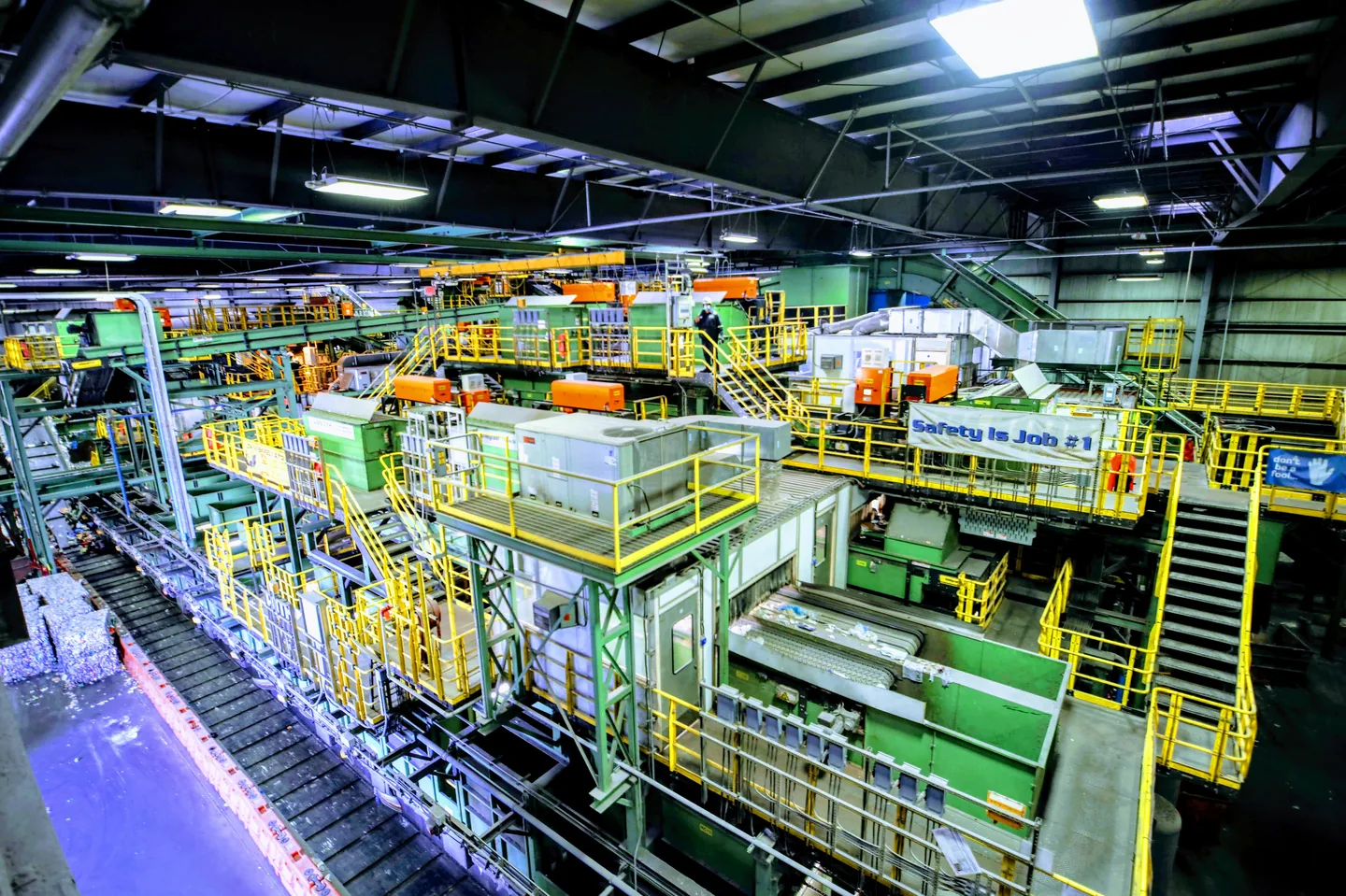
- Dedicated Collection Routes: Dedicated recycling vehicles collect clean loads separately from municipal solid waste and haul them to materials recovery facilities (MRFs) or fiber processors.
- Contamination Feedback Loop: When drivers observe plastic film tangling, food liquid, or non-recyclable items in a bin, we notify site coordinators immediately so quick corrections prevent load rejections.
Ideal Organizations
- E-commerce fulfillment & logistics warehouses
- Grocery stores and retail shopping centers
- Corporate office towers and coworking hubs
- Manufacturing & light assembly plants
- Universities, schools, and municipal buildings
Program Advantages
- Reduces general refuse container volume & pull frequency
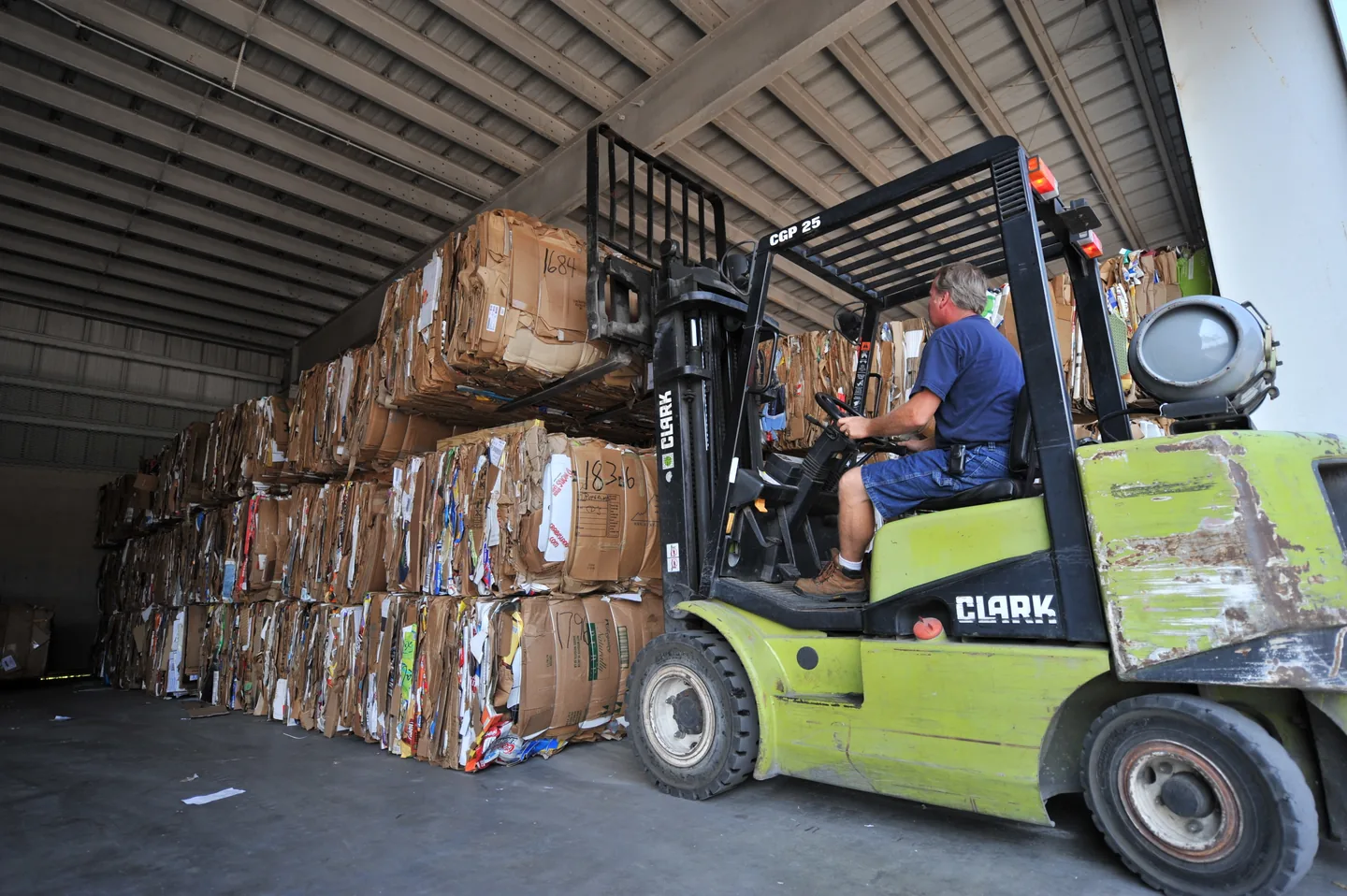
- Separates clean OCC cardboard from wet food waste
- Helps sites comply with local commercial recycling ordinances
- Improves loading-dock safety by clearing loose pallet boxes
Accepted Material Streams & Preparation Rules
| Material Category | Accepted Items | Preparation Requirement |
|---|---|---|
| Corrugated Cardboard (OCC) | Shipping cartons, clean kraft paperboard, box dividers | Flatten boxes; remove foam blocks, strapping, and food residue |
| Paper & Fiber | Office printer paper, catalogs, mail, file folders | Keep dry; exclude tissue, paper towels, and thermal receipts |
| Metals & Rigid Plastics | Aluminum cans, steel food tins, PET #1 & HDPE #2 jugs | Empty liquids; keep loose (do not bag recyclables) |
| Glass Containers | Clear, green, and amber bottles and jars | Rinse briefly; keep lids separated or per local MRF rules |
Environmental Considerations
Recycling only delivers environmental value when collected materials actually survive sorting and enter remanufacturing. Wet cardboard loses fiber strength, and plastic bags wrap around MRF disk screens, halting sorting lines. By prioritizing dry cardboard collection, loose container loading, and clear staff guidance, our programs protect real downstream material recovery rather than "wish-cycling" contaminated loads that end up landfilled anyway.
Commercial Recycling FAQs
No. Bagged recyclables cannot be easily opened on high-speed MRF sorting belts and are often diverted to residue lines for safety reasons. Always empty bins of loose recyclables directly into the commercial recycling container.
Yes. Retail stores, warehouses, and restaurants with heavy shipping deliveries benefit substantially from a dedicated OCC cardboard bin, which keeps fiber clean and frees up space in commingled bins.
Most contamination stems from unclear breakroom signage or missing landfill bins next to recycling stations. We pair bin stations side-by-side and can provide custom visual sorting posters through our Waste Consulting service.