
Organic waste—food prep scraps, spoiled produce, coffee grounds, leaves, and landscape trimmings—is one of the easiest streams to return to productive biological cycles, yet it causes the biggest headaches when buried inside general trash dumpsters.
1. Preventing Anaerobic Methane in Landfills
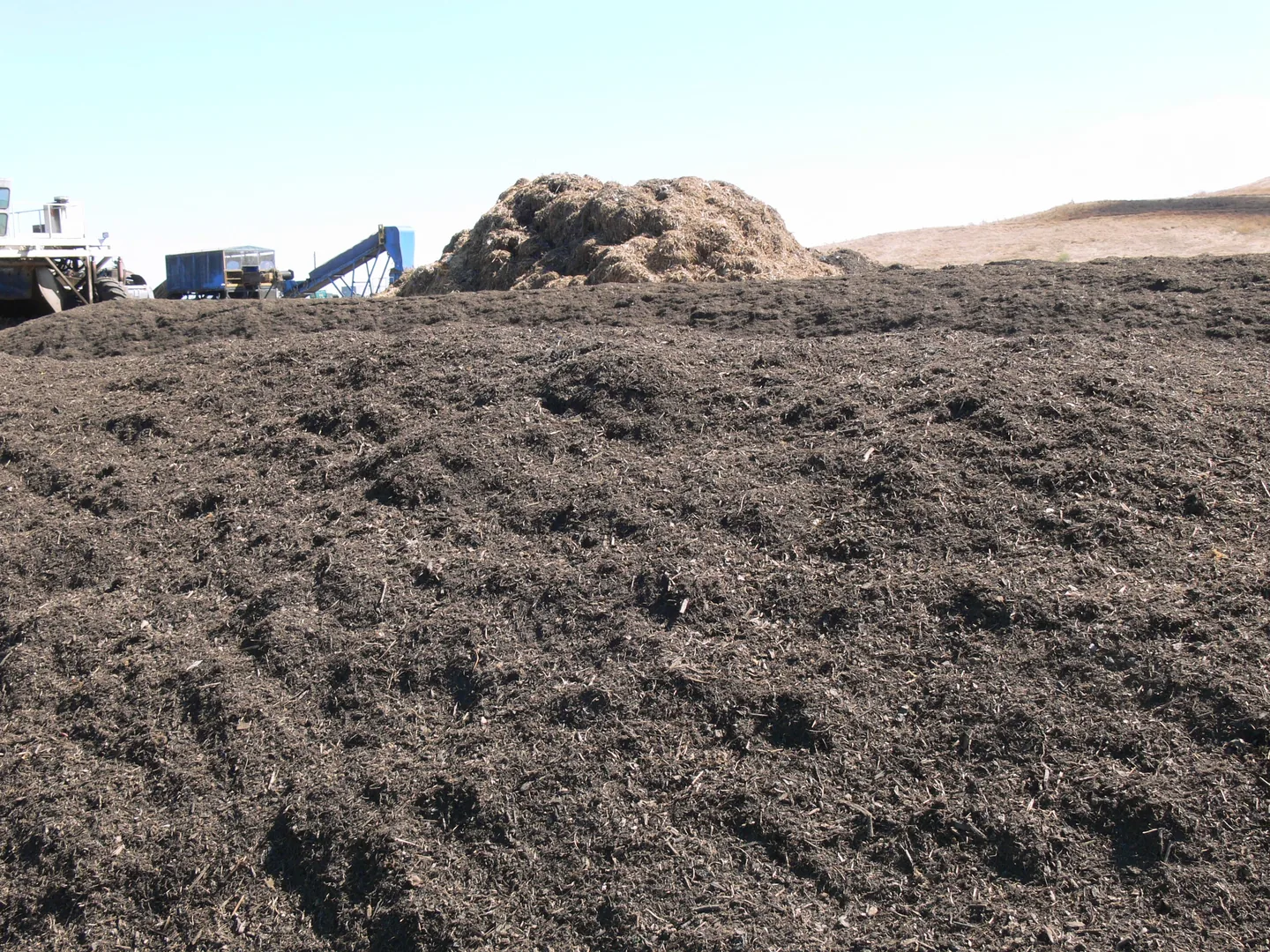
When food scraps and leaves are compacted beneath layers of plastic and debris in a landfill, they break down without oxygen. That anaerobic decay releases methane gas while mixing liquid food moisture with other refuse to create leachate. By routing food and green waste to commercial aerobic composting facilities instead, microbes break materials down in oxygenated, temperature-monitored windrows without generating landfill methane.
2. Cleaner Loading Docks & Lighter Trash Bins
Food waste is overwhelmingly water by weight. Removing wet vegetable peels, spent espresso grounds, and kitchen trimmings from general trash dumpsters dramatically reduces dripping compactors, foul bin odors, and pest attraction around restaurant rear doors. It also keeps adjacent paper and cardboard cleaner for recycling.
3. Returning Organic Carbon to Regional Soils
Finished commercial compost improves soil water retention, microbial activity, and erosion resistance for parks, landscaping contractors, and farms. Keeping plastic utensils, glass shards, and synthetic wrappers completely out of prep-line organics totes is the single most important rule for producing clean, usable compost.
Learn how our dedicated totes and collection schedules work on our Organic Waste service page.