Authorized Waste Disposal & Residual Stream Handling
Safe, documented transport and disposal of non-recyclable solid waste, bulky obsolete fixtures, and non-hazardous industrial residuals exclusively through licensed transfer and disposal facilities.
Accountable Final Handling After Recovery
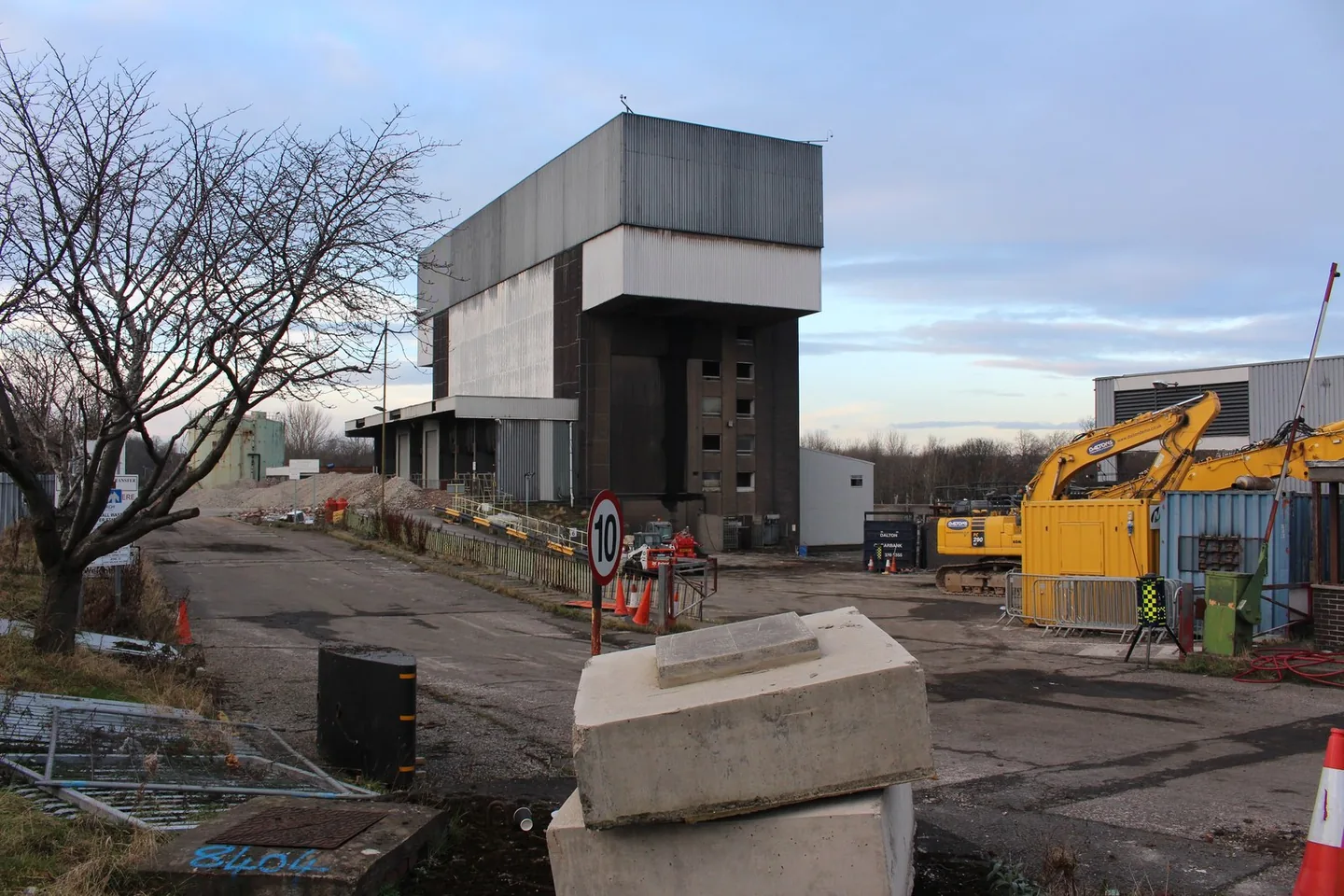
Even in well-designed diversion programs, certain composite materials, heavily soiled items, and non-recoverable construction or facility fixtures cannot be recycled or composted. Responsible waste disposal ensures that remaining residual waste is consolidated, weighed, and routed strictly to permitted transfer stations and engineered disposal sites—never informal or unpermitted dumping areas.
Timberline Waste Services maintains strict acceptance screening before loading residual or bulky waste so regulated hazardous materials are identified early and separated safely.
How Authorized Disposal Operates
- Material Eligibility Screening: Customers describe the residual or bulky items (e.g., broken furniture, composite fixtures, non-recyclable packaging, or warehouse purge waste) to confirm non-hazardous classification.
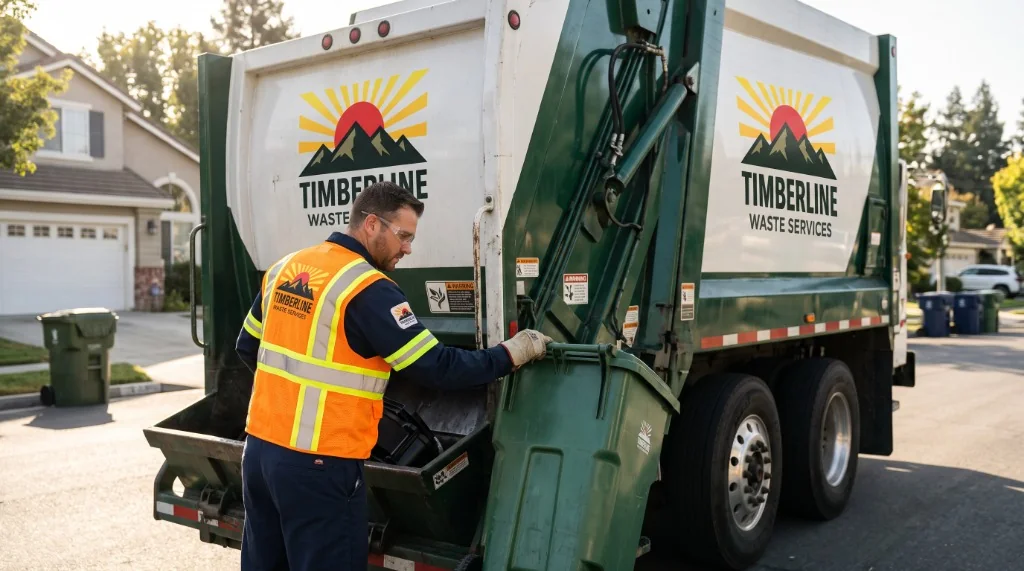
- Loading & Secure Containment: Depending on load size, materials are collected via enclosed compaction trucks or tarped roll-off containers to prevent windblown litter in transit.
- Transfer Station Consolidation: Loads move through authorized transfer facilities where scale weights are recorded and final recovery checks remove any stray metals or cardboard.
- Engineered Disposal Routing: Verified residual waste travels to lined, monitored disposal cells operating with leachate collection and environmental controls.
Suitable Scenarios
- Commercial residual trash after recycling & organics sorting
- Bulky office furniture, fixtures, and display teardowns
- Non-hazardous manufacturing trim and composite scrap
- Post-renovation mixed non-recoverable debris
- Institutional cleanouts requiring scale documentation
Key Operational Benefits
- Eliminates liability from improper third-party dumping
- Pre-pickup screening catches restricted items early
- Tarped and enclosed hauling protects roadways
- Coordinates seamlessly with roll-off & routine service
Material Screening & Restriction Policy
| Classification | Examples | Handling Pathway |
|---|---|---|
| Approved Residual Solid Waste | Non-recyclable plastics, soiled wrappers, damaged fixtures, composite furniture | Standard collection or roll-off haul to permitted transfer/disposal facility |
| Recoverable C&D / Metals | Scrap steel shelving, clean pallets, copper wire, corrugated cartons | Diverted to Commercial Recycling prior to disposal |
| Prohibited / Regulated Wastes | Solvents, oil drums, asbestos, medical sharps, lithium batteries, CFC appliances | Excluded from standard waste loads; requires specialized licensed hazmat handler |
Environmental Considerations
Treating disposal as the final tier of the waste hierarchy means minimizing how much enters landfill cells in the first place. Before scheduling bulk disposal hauls, we encourage property teams to separate reusable furnishings, scrap metals, and clean fiber. Keeping hazardous chemicals and batteries completely out of municipal disposal loads is equally vital to protecting groundwater and transfer station worker safety.
Waste Disposal FAQs
No. Standard solid waste collection and disposal services cover non-hazardous commercial, residential, and construction residuals only. Free liquids, flammable solvents, medical waste, asbestos, and pressurized cylinders require specialized hazardous waste permitting.
Bulky item disposals can be scheduled as dedicated roll-off container pulls or scheduled bulk pickups. Whenever metal framing or clean cardboard packaging is present, we encourage staging those separately for recycling.