
Construction Waste Services Scaled From Site Prep to Final Turnover
From demolition and framing through final interior punch-list cleanup, we coordinate container sizing, phased swaps, and responsive dispatch support matched to your build schedule.
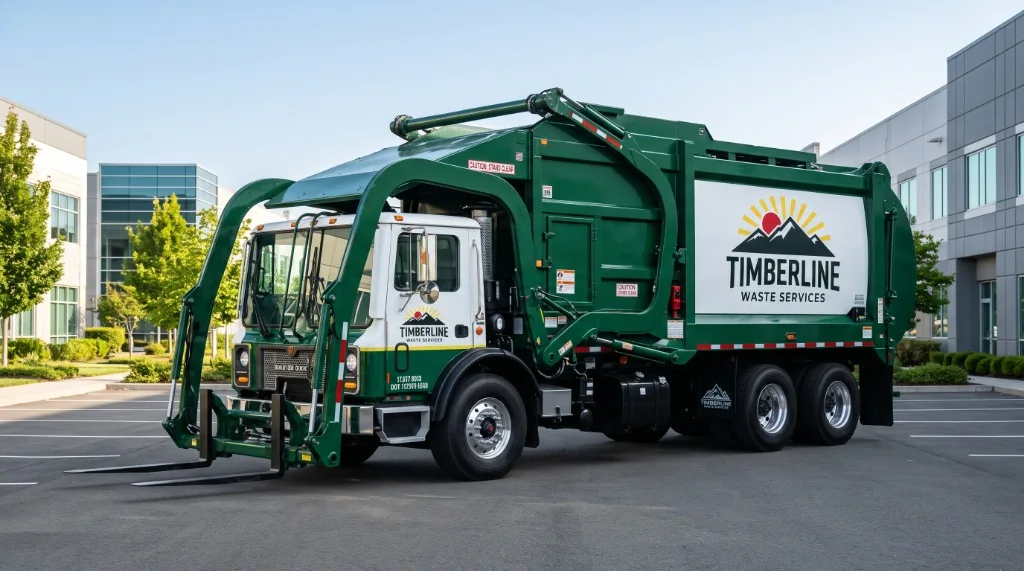
Reliable Debris Management for Active Construction Sites
Active build sites cannot afford stalled crews waiting on an overflowing box or missed container exchange. Every phase of construction produces different material weights and volumes—starting with heavy concrete, masonry, and site-clearing brush, shifting into framing offcuts and drywall scrap, and ending with bulky fixture crates and cardboard packaging.
Timberline Waste Services scales container yardage and swap cadence to each construction milestone while helping contractors separate clean scrap metal, untreated lumber, and cardboard when site space permits.
How Construction Service Coordination Works
- Pre-Mobilization Site Review: Share gate widths, overhead power clearances, curb-cut restrictions, and delivery curfews before breaking ground.
- Phase-Matched Container Staging: Use compact 10-yard heavy-duty boxes for concrete, asphalt, and dirt, then transition to 20-, 30-, or 40-yard open-top containers for framing and finish debris.
- Live Swap-Outs on Call: Request scheduled or on-call pull-and-replace swaps so active subcontractors always have open bin capacity.
- Final Site Clearance: Prompt final haul-away leaves parking aprons and service alleys swept and ready for certificate-of-occupancy inspections.
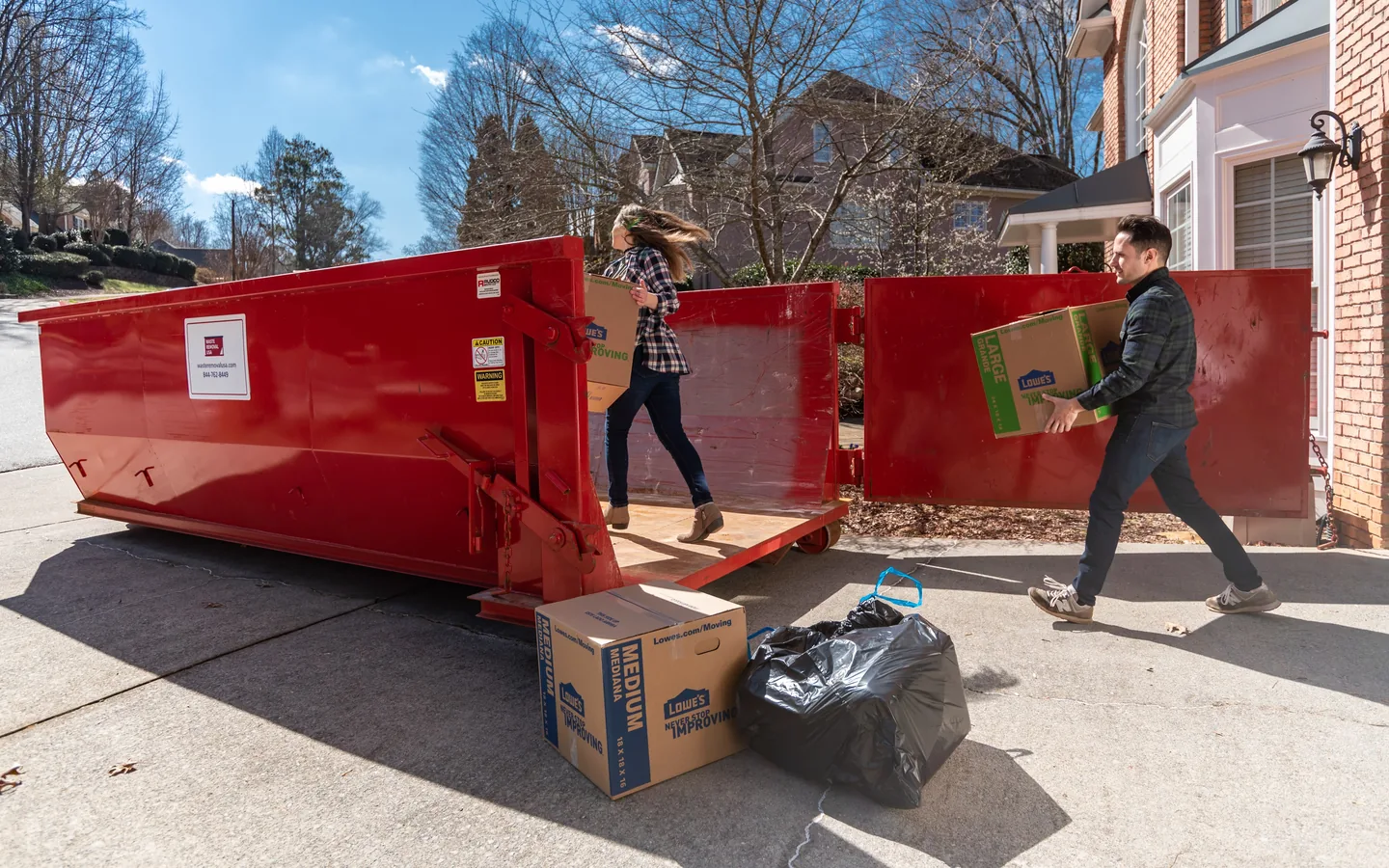
Built For
- General contractors and site superintendents
- Commercial tenant improvement & retail build-outs
- Multi-family framing and roofing contractors
- Civil, grading, and concrete demolition crews
Key Job-Site Advantages
- Timed delivery windows aligned with site gate hours
- Dedicated bins for scrap metal, clean wood, or cardboard
- Direct dispatch contact for rapid swap-out requests
- Strict load-line and tarp safety compliance
Phase-by-Phase Container Planning
| Construction Phase | Typical Debris | Recommended Container |
|---|---|---|
| Demolition & Site Prep | Concrete, brick, asphalt, soil, heavy masonry | 10-Yard Heavy Inert Box |
| Structural & Rough-In | Lumber offcuts, steel studs, conduit, drywall | 20- or 30-Yard Roll-Off |
| Finishes & Fixture Install | Shipping crates, corrugated cartons, pallet wrap | 30- or 40-Yard Roll-Off + Cardboard Bin |
Environmental & C&D Diversion Considerations
Separating clean steel framing, copper wire, untreated dimensional lumber, and dry corrugated packaging keeps high-mass materials out of mixed landfill cells. Where job-site footprint allows two bins side by side, dedicating one container to clean metal or fiber lowers mixed C&D disposal volume while keeping haul weights predictable.
Construction Services FAQs
No. Dense inert materials rapidly exceed highway axle weight limits in large containers. Concrete, brick, soil, and asphalt must go into dedicated 10-yard heavy-material boxes loaded below the marked fill line.
Specify expected swap cadence on the Schedule Pickup form or coordinate standing morning exchange windows directly with dispatch.